Metultah Typeface Review: Adding Playful Script Handwritten Style to Brand Identity
I was staring at a blank Figma file, trying to find the right voice for a new artisanal skincare brand. The client wanted something approachable, fun, and distinctly human—nothing too corporate or rigid. That’s when I pulled Metultah into my workspace. It wasn’t just another font download; it felt like finding the missing piece of a puzzle that had been frustrating me for days. As a graphic designer who spends hours testing typefaces for real-world branding projects, I can tell you that finding a script font that balances personality with usability is rare. Metultah changed the entire direction of this mockup within minutes.
Why Metultah Script Handwritten Fonts Work for Modern Branding Projects
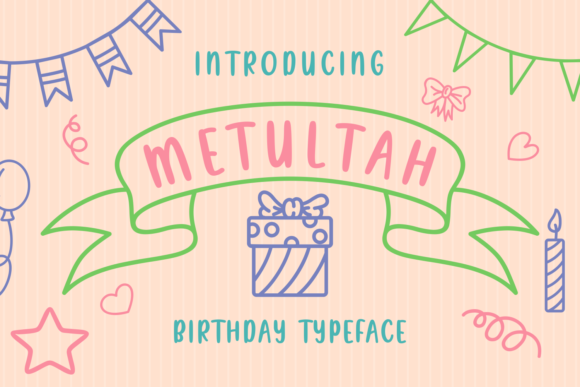
When I first opened the font files, the immediate appeal was its dual-style structure. Most script fonts force you to choose between a formal cursive and a casual scrawl, but Metultah offers two distinct styles that both deliver a playful feel without sacrificing legibility. This versatility is crucial when building a cohesive brand identity. In my project, I used the primary style for the logo lockup and the secondary style for supporting headlines on social media graphics. The result was a visual hierarchy that felt dynamic yet consistent. Unlike generic fonts that look dated quickly, these Script Handwritten characters have a modern edge that fits perfectly with current design trends favoring authenticity and handcrafted aesthetics.
The inclusion of extra doodles was the game-changer. These aren’t just decorative afterthoughts; they are strategic design assets. When designing packaging labels for small-batch products, those little doodle elements allowed me to break up text blocks and add visual interest without cluttering the layout. They give the designer freedom to create custom illustrations directly within the typography system, saving time and ensuring that every element ties back to the core font family. For entrepreneurs looking to establish a memorable presence, having these built-in accents means less reliance on external stock images and more control over the final aesthetic.
Metultah for Logo Design and Visual Identity Systems
One of the biggest challenges in logo design is ensuring the mark works at various sizes. I tested Metultah on everything from a tiny Instagram profile icon to a large storefront sign mockup. The strokes hold up remarkably well because the weight distribution is balanced. It doesn’t get muddy when scaled down, nor does it lose its charm when enlarged. For a boutique coffee shop or a handmade jewelry brand, a script font needs to convey warmth and craftsmanship. Metultah achieves this by mimicking natural handwriting flow while maintaining clean terminals that prevent visual noise.
In our case study, we paired the main logo wordmark with a clean sans-serif font for the subtext. This contrast highlighted the playful nature of the script while grounding the brand in professionalism. The two styles of Metultah allowed us to alternate between them in different touchpoints—for instance, using the bolder style for headers and the lighter, more fluid style for body copy accents. This variation keeps the audience engaged and prevents the brand from feeling static. When clients see how adaptable a single font can be across business cards, letterheads, and digital ads, they often realize the value of investing in a comprehensive font package rather than buying multiple disparate typefaces.
Using Metultah for Packaging Design and Product Labels
Packaging is where typography meets physical space, and constraints are tight. I applied Metultah to a series of product label mockups for a line of organic soaps. The playful vibe of the font immediately elevated the perceived value of the product. Consumers associate handwritten-style fonts with care, attention to detail, and small-batch quality. By integrating the included doodles as borders or bullet points, I created a unified visual language that extended beyond just the text.
This approach is particularly effective for e-commerce businesses where unboxing experiences matter. A package adorned with a friendly, artistic script feels personal compared to one using sterile, standard typefaces. When designing for platforms like Etsy or Shopify, where competition is fierce, standing out visually is paramount. Metultah provides that distinctive flair. The extra doodles also serve a functional purpose by guiding the eye toward key information, such as ingredients or usage instructions, without overwhelming the customer. It turns a simple label into a miniature canvas, encouraging customers to share photos on social media—a free marketing boost for any small business owner.
Metultah for Social Media Graphics and Digital Marketing Assets
Digital content moves fast, and your typography needs to grab attention in seconds. I used Metultah to create a set of Instagram story templates and promotional banners for the same skincare brand. The readability of the font ensures that messages are consumed quickly, even on mobile screens. Its playful character adds an emotional layer to the content, making the brand feel like a friend rather than a faceless corporation. The two available styles allowed me to create variety in the feed—one post might feature the bold style for a sale announcement, while another uses the softer style for a wellness tip.
Furthermore, the font’s compatibility with modern web design tools made it easy to implement. Whether embedding it in HTML5 emails or using it in Canva templates for client use, the performance was seamless. The ligatures and alternates (if applicable in the full package) helped smooth out awkward connections between letters, which is common in script fonts. For marketers and content creators, having a reliable creative font reduces the friction in the production process. You don’t have to spend hours adjusting kerning or searching for matching icons because the doodles are already there, ready to enhance your message. This efficiency is invaluable when managing multiple campaigns or client accounts simultaneously.
Practical Tips for Testing and Implementing Metultah in Your Workflow
If you are considering adding Metultah to your library, start by creating a mood board before diving into full-scale design. Test the font against your existing brand colors and imagery. Does the playfulness clash with your photography style, or does it complement it? In my experience, it pairs beautifully with soft, natural lighting and earthy tones, but it can also pop against stark white backgrounds for a minimalist look. Always print a proof if you are working on physical materials, as screen rendering can sometimes exaggerate the thickness of script strokes.
Additionally, check the licensing terms carefully. If you plan to use these fonts for commercial client work, ensure the license covers the intended scope, whether it’s digital-only or includes print merchandise. Understanding the file formats included—such as OTF, TTF, or web fonts—will help you integrate them smoothly into your preferred software, be it Adobe Illustrator, Photoshop, or Affinity Designer. By treating Metultah not just as a typeface but as a complete design system with its accompanying doodles, you unlock its full potential. It transforms from a simple text tool into a versatile partner in crafting compelling, human-centric brand stories that resonate with audiences today.