Rufist: The Elegant Script Handwritten Font for Boutique Branding
I still remember the moment I realized my brand wasn’t quite "clicking." I was sitting at my kitchen table, surrounded by half-printed thank-you cards and a stack of candle jars waiting for labels. My business was growing, but my visuals felt scattered. I had used three different fonts across my Instagram posts, packaging, and website, which made my brand look less like a curated boutique and more like a hobby project. I knew I needed consistency to build trust with my customers. That’s when I started looking for Rufist, a font that promised to bring that missing piece of elegance to my design assets.
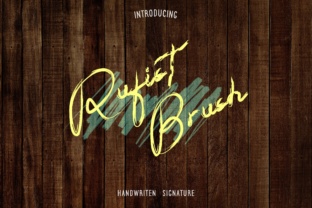
If you are a small business owner, entrepreneur, or creative seller trying to elevate your visual identity, you know how hard it is to find typography that feels both professional and personal. After testing several options, I found that The Rufist Brus is a beautiful handwritten brush script. It will give your design a chic and elegant style. This discovery didn’t just change my fonts; it changed how I approach every touchpoint with my customers, from digital ads to physical packaging.
Why Rufist Elevates Logo Design and Brand Identity
When you first download new Fonts, it is easy to get distracted by flashy display styles, but as a business owner, I need something that works hard for me. Rufist stands out because it strikes a perfect balance between artistic flair and commercial viability. It is not just a decorative element; it is a foundational tool for building a recognizable brand identity. When I replaced my generic headline font with Rufist in my logo design, the entire mark felt more cohesive. The brush strokes add a human touch, suggesting that there is a real person behind the business, which is crucial for connecting with today’s consumers who value authenticity.
The chic and elegant style of this script means it doesn’t scream for attention; rather, it invites the viewer in. For boutique owners, café owners, or handmade sellers, this subtlety is key. You want your brand to feel premium without feeling cold or corporate. By integrating Rufist into your primary branding elements, you signal quality and care. It transforms a simple name into a signature, making your business memorable from the very first glance.
Rufist for Packaging Design and Product Labels
One of the biggest challenges for online sellers and physical product creators is making their items stand out on a shelf or in an unboxing video. I decided to test Rufist on my product labels, specifically for my line of artisanal candles and skincare balms. The goal was to create a label that looked high-end enough to justify a premium price point but warm enough to feel inviting.
Using Rufist for short phrases like "Handcrafted," "Organic," or the product name itself added an immediate layer of sophistication. Because it is a Script Handwritten typeface, it mimics the look of custom calligraphy, which often costs thousands of dollars to commission. However, using a digital font allows for scalability and consistency across hundreds of units. Whether you are designing boxes for a bakery, tags for clothing, or stickers for beauty products, Rufist provides that polished, editorial look that elevates perceived value. It turns a plain package into a branded experience that customers are eager to share on social media.
Rufist for Social Media Graphics and Digital Ads
In the digital space, attention spans are short. On platforms like Instagram, Pinterest, and TikTok, your graphics need to stop the scroll. I noticed that my engagement dropped when my posts looked too text-heavy or cluttered with rigid, sans-serif fonts. Switching to Rufist for headers and quotes in my social media templates brought a breath of fresh air to my feed.
This font works beautifully for creating eye-catching headlines that guide the user’s eye without overwhelming them. When designing digital ads or website banners, using Rufist for key selling points—such as "New Collection" or "Limited Edition"—adds a sense of exclusivity and style. Its elegant curves contrast nicely with cleaner body text, creating a visual hierarchy that makes your message easier to digest. For marketers and bloggers, this means higher click-through rates because the design feels trustworthy and aesthetically pleasing. It bridges the gap between modern web design and classic editorial aesthetics.
Rufist for Menus, Business Cards, and Print Collateral
Even in a digital-first world, print materials remain powerful tools for networking and customer retention. I recently redesigned my business cards and café menu inserts using Rufist. There is something tactile about seeing a handwritten-style font printed on thick cardstock that digital screens simply cannot replicate. The brush strokes have a natural flow that feels organic and welcoming.
For restaurant owners and café operators, menus are prime real estate for branding. Using Rufist for dish names or special offers can make the food sound more appetizing and crafted. Similarly, for thank-you cards included in orders, this font adds a personal note that encourages repeat purchases. Customers appreciate the extra effort, and a well-designed thank-you card with elegant typography can turn a one-time buyer into a loyal advocate. It shows that you care about the details, which reflects directly on the quality of your products or services.
Practical Tips for Pairing and Using Rufist Effectively
To get the most out of Rufist, it is important to understand its role within your typographic system. As a Script Handwritten font, it is best used as a display font for headlines, logos, and short phrases rather than long paragraphs of body text. Readability is paramount, especially for small labels or mobile screens where users scan quickly. I recommend pairing Rufist with a clean, neutral sans serif font for supporting text. This combination creates a modern typography style that is both stylish and highly functional.
Before purchasing or downloading, always check the included styles, file formats, and licensing terms. Ensure you have the appropriate commercial font license if you plan to use the typeface on merchandise, client work, or mass-produced packaging. Look for features like alternates, ligatures, and multilingual support to ensure the font fits your specific audience needs. By treating typography as a strategic asset rather than an afterthought, you can use Rufist to create a consistent, polished, and memorable brand presence that resonates with your ideal customers.