Horstail: A Script Handwritten Typeface for Animal-Loving Brands
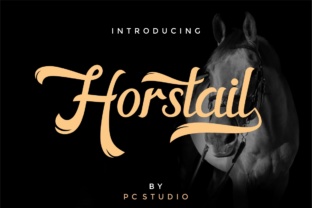
I was staring at a blank Canva canvas at 2 AM, trying to design a label for my new line of lavender soy candles. The scent was calming, but the brand needed to feel wild and free—like a meadow after rain. I had tried standard serif fonts, which felt too corporate, and bold sans serifs, which felt too industrial. Then I stumbled upon Horstail. It wasn’t just another decorative typeface; it was a character. With its distinctive swash tail that curls like an animal’s limb, this Script Handwritten font immediately caught my eye. I downloaded the file, opened it in my design software, and within minutes, my candle label went from generic to gallery-worthy. If you are a crafter, Etsy seller, or digital creator looking to add personality to your shop, here is my honest review of how Horstail performs in real-world production.
Horstail for Candle Labels and Boutique Packaging Design
When I first imported the Horstail font into my project, the immediate visual impact was undeniable. As a Script Handwritten style, it carries a whimsical yet structured energy that stands out on crowded marketplaces. For boutique packaging, first impressions are everything. I tested Horstail on a small kraft paper tag attached to a jar of handmade soap. Because the font has thick strokes and dramatic flourishes, it remained legible even at smaller sizes, provided I gave it enough breathing room. The "swash tail" mentioned in the product description isn't just a gimmick; it adds a sense of movement and organic flow that pairs beautifully with natural, earthy products. Unlike rigid display fonts, Horstail feels alive. It suggests that the product inside was made by hand, with care and a touch of playfulness. This emotional connection is crucial for physical goods where customers cannot touch the item before buying. Using a creative font like Horstail signals quality and attention to detail, elevating the perceived value of your merchandise.
Horstail for T-Shirts and Merchandise Printing
One of the most exciting use cases I explored was applying Horstail to apparel designs. The prompt describes it as perfect for t-shirts, and my testing confirmed why. When preparing files for Direct-to-Garment (DTG) printing or heat transfer vinyl (HTV), readability and cut accuracy are paramount. I designed a simple graphic featuring a silhouette of a horse or dog, using Horstail for the accompanying text. The script’s varying stroke width mimics the look of brush lettering, which translates exceptionally well to fabric. However, makers should note that because it is a highly decorative script, it works best for short phrases, names, or titles rather than long sentences. On a tote bag, for example, I used Horstail for the word "Wanderlust" paired with a small icon. The result was chic and modern. For Cricut or Silhouette users, the vector paths in the font file were clean and easy to weed, meaning fewer frustrated moments trying to peel away tiny bits of vinyl. It is a commercial font that respects the constraints of physical production while still delivering high-end aesthetic appeal.
Horstail for Digital Downloads and Printable Wall Art
For those of us selling digital assets on platforms like Etsy or Creative Market, the versatility of Horstail as a Fonts resource is significant. I created a set of printable wall art quotes aimed at animal lovers, such as "Home is where the paws are." Using Horstail for the main quote allowed the text itself to become the artwork. The swashes provide natural framing, reducing the need for additional clipart or borders. This makes the design files lighter and easier for customers to customize if they wish to change the color scheme. In the digital space, where screens are small, large, elegant scripts can sometimes lose their charm. But Horstail maintains its integrity down to medium sizes. I also tested it in social media graphics for Instagram posts. The font’s unique personality helps stop the scroll. It feels personal and inviting, which drives engagement. When designing digital templates, having a standout script like Horstail allows creators to offer premium-looking designs without requiring advanced graphic design skills from the end user.
Horstail for Wedding Invitations and Stationery Branding
While Horstail is playful, it possesses an elegance that makes it suitable for special occasions. I experimented with using it for wedding invitation suites, specifically for the couple’s names on the save-the-date cards. The swash tails added a romantic, flowing quality that traditional scripts sometimes lack due to stiffness. However, for formal stationery, font pairing is critical. I found that Horstail pairs beautifully with a clean, minimal sans serif font for the logistical details (date, time, location). This contrast ensures that the important information remains readable while the header retains its artistic flair. For invitation designers, offering a font with distinct alternates and ligatures adds value to your package. It allows clients to mix and match styles, creating a cohesive brand identity for their event. Whether you are designing rustic farmhouse signs or elegant bridal shower tags, Horstail bridges the gap between fun and formal.
Practical Tips for Using Script Handwritten Fonts Like Horstail
After extensive testing across various mediums, here are some practical tips for integrating Horstail into your workflow. First, always check the included styles. Does the font family come with regular, bold, and italic versions? Are there specific swash characters available? Having these options gives you more control over layout balance. Second, be mindful of spacing. Script fonts often require slightly wider kerning than block letters to prevent the tails from colliding with adjacent letters. In my experience, manually adjusting the tracking on words with multiple capital letters or complex descents resulted in a much more professional finish. Third, consider your audience. If you are targeting pet owners, farmers, or nature enthusiasts, Horstail’s organic shape resonates deeply. For technical manuals or dense instructional labels, however, this font is not suitable. Its decorative nature prioritizes style over density. Finally, ensure you have the correct commercial license if you plan to sell products featuring this font. Understanding the terms of use protects your business and respects the type designer’s work. By treating Horstail as a key component of your brand identity rather than just a text tool, you can create memorable, high-quality products that stand out in any niche.